Do I need a structural engineer for my extension?

Posted By
Jason Massey
Posted At
Homeowner Guide
Posted On
So where does a structural engineer fit in, and do you actually need one?
The short answer is: yes, in most cases. Here's why — and what happens if you don't.
A structural engineer isn't just a box to tick. They're the person making sure your project stands up — literally.
When Do You Definitely Need a Structural Engineer?
Planning regulations and building control will often flag when one is required, but it's worth knowing the situations where a structural engineer is not optional:
Removing or altering a load-bearing wall — this is the most common reason. Not every wall is load-bearing, but if it is and you get it wrong, the consequences are serious
Single or double storey extensions — any new structure needs foundations designed correctly for the ground conditions and the loads being applied
Loft conversions — introducing new floor loads into an existing roof structure nearly always requires structural input
Flat roof or roof terrace additions — these carry loads that the existing structure may not have been designed for.
Underpinning or foundation repairs — if you've got movement, cracking or subsidence, a structural engineer needs to assess it before anyone starts digging
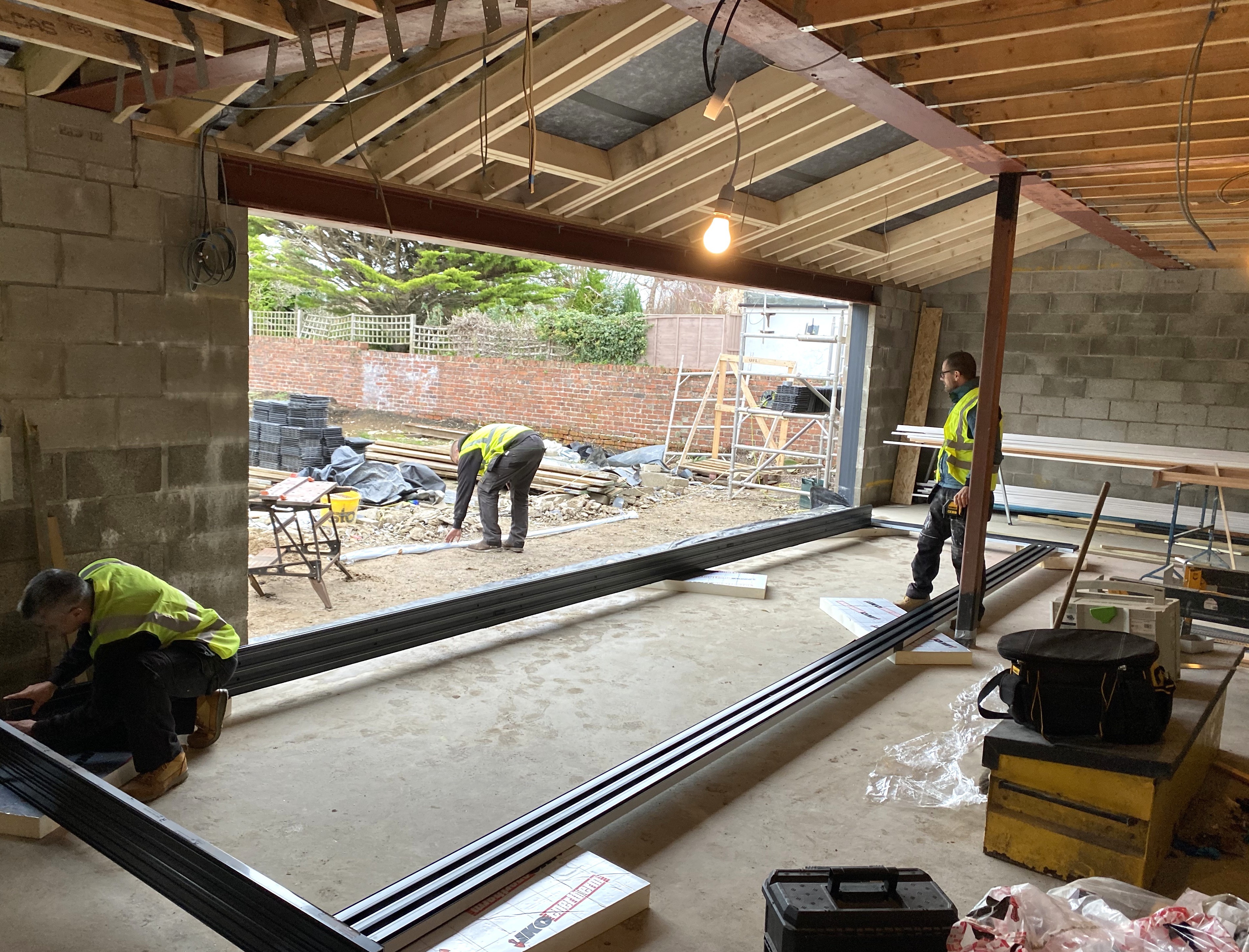
New openings for bi-fold or large glazed doors — these often require steel beams or lintels that need to be properly sized
Structural alterations to support new loads from above.
Garage conversions — changing the use of a space and altering the structure both require sign-off
What Does a Structural Engineer Actually Do?
A structural engineer's job is to make sure the structure of your project is safe, buildable and compliant with building regulations. In practice, for a residential extension, that means:
Visiting site to assess the existing structure and ground conditions
Designing any new structural elements — beams, columns, foundations, connections
Producing structural calculations — these are a building regulations requirement
Drawing up structural drawings for the builder to work from
Liaising with building control to get the structural work signed off
Answering queries from the builder on site during construction
A good structural engineer will also flag things that aren't strictly their remit but that could cause problems — it's part of doing the job properly.
Good engineering is about more than calculations. It's about understanding the whole project and making sure nothing gets missed.
Do I Need Planning Permission as Well?
Planning permission and structural engineering are separate things — you can need one, both, or neither depending on the project. Many extensions fall under permitted development, which means you don't need planning permission, but you always need building regulations approval. That's where the structural engineer's calculations and drawings come in.
If you're unsure whether your project needs planning, your architect or local planning authority can advise. But don't assume that permitted development means no sign-off is required — building regs are a different matter entirely.
What Happens If You Don't Use One?
This is where it gets serious. If structural work is carried out without proper engineering input:
Building control may refuse to sign off the works — meaning you can't complete the project legally
Your buildings insurance may be invalidated if the structure isn't certified
When you come to sell, solicitors will ask for building regulations completion certificates — if they don't exist, it can hold up or kill a sale
Most importantly, an unsafe structure puts you and your family at risk
We see projects where structural work has been done without proper input — sometimes it's fine, sometimes it isn't. The problem is, by the time you find out, it's usually a much more expensive problem to fix than getting it right first time would have been.
How Much Does a Structural Engineer Cost?
The cost will depend on the scope and complexity of the project, the amount of existing information available and whether a site visit, calculations, drawings or construction support are required.
A straightforward beam design or small structural alteration may involve a relatively modest fee, while larger extensions, loft conversions or more complex alterations will require more detailed assessment and design work.
A clear fee proposal should explain exactly what is included, what information is required and whether any additional site visits or design changes would be charged separately.
How Do I Find a Good Structural Engineer?
Look for an engineer with appropriate professional qualifications, relevant experience and professional indemnity insurance. Membership of a recognised institution, such as the Institution of Structural Engineers, provides additional reassurance that professional standards and a code of conduct apply.
Relevant experience is also important. Existing buildings can present practical challenges, so it is worth choosing an engineer who understands the type of project involved and can draw on the right experience where needed.
A good structural engineer should explain the scope clearly, identify any uncertainties early and provide calculations and drawings that are practical, coordinated and easy to understand.
And don't be afraid to ask questions. A good structural engineer will take the time to explain what they're doing and why.
Ready to Discuss Your Project?
At Structural Productions, we work with homeowners, self-builders and architects across South Wales and the Southwest. We provide clear, practical structural engineering — calculations, drawings and building regulations support — without the jargon.
If you're planning an extension or structural alteration and want to talk it through, get in touch. We're happy to have a no-obligation conversation about what your project needs.